Furnace Problems That Can Affect Your Home’s Comfort
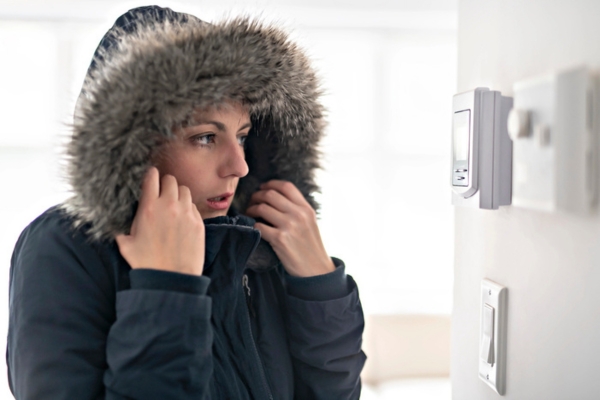
Cold winter weather forces furnaces to work harder and run longer, which can expose performance issues that were less noticeable earlier in the season. Problems such as weak airflow, short cycling, ignition trouble, unusual noises, and insufficient heating can quickly affect indoor comfort. While homeowners can safely troubleshoot some minor concerns, more complex furnace problems require professional diagnosis and repair.
This article covers common winter furnace problems, practical troubleshooting steps homeowners can safely perform, and signs that indicate it is time to contact an HVAC professional for expert furnace troubleshooting.
Why Furnace Issues Increase During Colder Weather
Freezing temperatures place heavier workloads on furnaces, causing internal components to operate more frequently and making mechanical wear or performance issues easier to notice. Colder conditions can also reveal existing problems, including clogged filters, limited airflow, or worn parts that struggle to function effectively.
When heating systems operate for extended periods, smaller concerns may gradually develop into major malfunctions. Recognizing these cold-weather stresses and knowing basic troubleshooting measures can help homeowners maintain consistent comfort and minimize the likelihood of unexpected breakdowns.
Common Cold-Weather Furnace Issues and Troubleshooting Steps
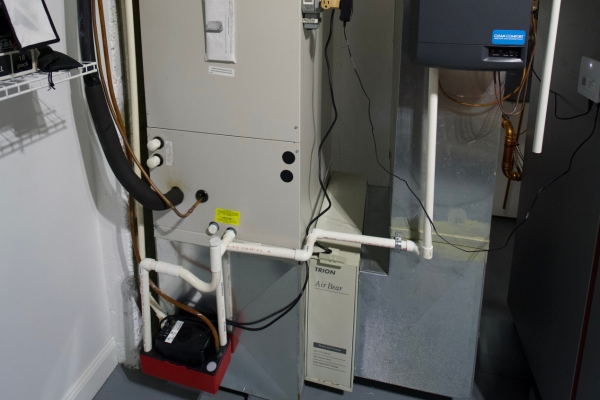
Furnaces may experience various problems throughout winter, although homeowners can identify and resolve some concerns through basic checks before scheduling professional service.
1. Furnace Fails to Produce Heat
When a furnace stops providing heat, the cause may involve the thermostat, electrical supply, or ignition system.
Make sure the thermostat is switched to heating mode and change its batteries when necessary. Verify that the furnace power switch and circuit breaker remain on. If the system still fails to operate, a malfunctioning pilot light or ignitor may need professional service.
2. Thermostat Performance Issues
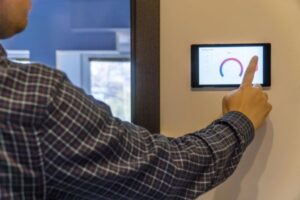
Thermostat problems can lead to inconsistent furnace cycles or keep indoor temperatures from reaching the selected setting. Possible causes include faulty wiring, worn components, or improper positioning near direct sunlight, drafts, or other heat sources.
Start by changing the batteries and restarting the thermostat. With smart or programmable units, verify the settings, Wi-Fi connectivity, and available software updates. If the issue persists, professional calibration or thermostat replacement may be required to restore reliable furnace performance.
3. Inconsistent or Limited Heating
Insufficient or uneven warmth can develop from dirty air filters, obstructed registers, or damaged ductwork. Clogged filters reduce airflow, while covered vents limit the distribution of heated air. Change filters as recommended, and keep vents open and unobstructed by furniture or curtains.
Duct leaks may also release warm air before it reaches individual rooms, creating uncomfortable cold areas and wasting energy. Professional ductwork repairs or sealing can limit these losses, enhance air circulation, and provide more balanced temperatures throughout your home.
4. Furnace Starts and Stops Too Often
Repeated furnace starts and stops, known as short cycling, can stem from a dirty filter, improper thermostat settings, unsuitable thermostat location, or an oversized unit. Restricted airflow from a clogged filter may cause excessive heat buildup and trigger premature shutdowns.
Change a dirty filter, verify the thermostat settings are correct, and ensure the unit is away from drafts and nearby heat sources. If frequent cycling persists, incorrect furnace sizing or faulty internal components may need professional evaluation.
5. Unusual Sounds From the Furnace
Unexpected furnace sounds may point to mechanical or ignition-related issues. Rattling can result from loose panels or parts, banging may indicate burner or ignition trouble, and squealing could suggest a problem with the blower motor or belt.
Inspect accessible panels for looseness and change a dirty filter when necessary.
Modern furnaces can also make normal clicking or humming sounds from ECM blower motors and electronic controls. If unusual noises continue or grow louder, contact a technician to identify whether repairs are necessary.
6. Unexpected Odors From the Furnace
Unexpected furnace odors may develop for several reasons. A temporary burning smell during startup often comes from accumulated dust and typically disappears quickly. Lingering odors, however, could indicate dirty burners, overheated electrical parts, or issues with UV or ionization equipment.
Metallic, electrical, chemical, or gas-like smells need prompt attention. If you detect gas, do not operate the furnace, electrical switches, or possible ignition sources. Leave the property and contact the gas utility or emergency services from a safe location. A qualified HVAC technician should also inspect persistent burning or electrical odors.
7. Blower Fan Runs Continuously
A furnace blower that operates continuously can increase energy consumption and lower overall system efficiency. A common reason is the thermostat fan control being set to “on” rather than “auto.” Adjusting the thermostat and returning the fan setting to “auto” will often correct the problem.
If the blower still operates continuously, a defective limit switch may prevent the system from signaling the fan to stop, or faulty wiring could be responsible. When this occurs, professional HVAC service is needed to diagnose and resolve the underlying issue.
8. Furnace Ignition or Pilot Light Problems
Ignition system or pilot light failures can keep a furnace from starting or producing consistent heat. Common causes include electrical faults, drafts, or debris near the burner assembly. Start by checking the circuit breaker and resetting it when necessary. Look for airflow around the furnace that could interfere with the flame.
When appropriate, relight the pilot according to the manufacturer’s directions. If the pilot or ignitor repeatedly fails, faulty sensors, damaged wiring, or fuel supply problems could be responsible. These issues require professional HVAC service to restore safe, dependable furnace operation.
Signs You Need Professional Furnace Service in Massachusetts and Rhode Island
Simple troubleshooting may correct minor furnace issues, but professional attention is needed when problems continue, affect internal parts, or create potential safety risks. Contact an HVAC professional when:
- Routine checks fail to restore proper heating.
- The furnace frequently shuts off or will not start.
- You detect possible electrical, combustion, or gas-related issues.
- The same problem returns shortly after troubleshooting.
Today’s furnaces use sophisticated controls, sensors, ignition parts, and electrical components that require specialized diagnostic equipment. A trained technician can identify malfunctions, evaluate components, and perform necessary repairs safely.
Yearly furnace maintenance can also identify emerging issues before breakdowns occur, maintain efficient performance, and meet service requirements specified by certain manufacturer warranties.
Common Questions About Furnace Troubleshooting

How Long Does a Normal Furnace Heating Cycle Last?
A furnace typically operates for roughly 10 to 20 minutes during each heating cycle, although runtime depends on outdoor conditions, thermostat settings, insulation levels, furnace size, and other factors. Longer operating cycles during extremely cold weather do not necessarily indicate a problem when the home continues reaching and maintaining the selected temperature.
Why Are My Heating Costs Rising Even Though the Furnace Still Works?
Increasing heating expenses may stem from colder temperatures, reduced furnace efficiency, insufficient insulation, household air leaks, or deteriorating components. Comparing energy use with similar periods in previous years can reveal unexpected changes. If usage continues climbing without an obvious explanation, a professional HVAC efficiency evaluation can help identify potential causes.
Can Snow or Ice Blocking Furnace Vents Affect Heating?
Yes. High-efficiency furnaces commonly rely on outdoor intake and exhaust vents that may become blocked by accumulated snow, ice, or other debris. Restricted venting can disrupt proper combustion and trigger the furnace to shut down for safety. Keep exterior vent openings unobstructed, but avoid placing tools or other objects inside the pipes.
Why Does Indoor Air Feel Drier When My Furnace Runs?
A furnace doesn’t necessarily remove moisture, but cold winter air generally holds less water vapor, and heating it indoors reduces its relative humidity. Very dry indoor conditions may contribute to irritated skin, static buildup, and general discomfort. A correctly managed whole-home humidifier can help maintain more comfortable indoor humidity levels.
Do Older Furnaces Require More Frequent Maintenance?
Aging furnaces may require closer professional monitoring as parts wear and system efficiency gradually decreases. Routine inspections can uncover deteriorating electrical connections, motors, burners, heat exchangers, and other components before they lead to equipment failure. An HVAC technician can also determine when ongoing repairs are becoming less cost-effective than replacing the furnace.
Conclusion
Winter places heavier demands on furnaces, increasing the likelihood that performance problems will develop or become noticeable. Regular filter replacement, basic system inspections, and safe troubleshooting can address smaller concerns before they become more serious. If an issue continues, professional HVAC service provides proper diagnosis and dependable repairs while helping maintain safe operation.
Keep furnace problems from affecting your comfort when temperatures drop. Contact Columbus Energies today for professional furnace troubleshooting, dependable repairs, and comprehensive maintenance services throughout Massachusetts and Rhode Island to keep your home warm all season.
Contact Columbus Energies for Professional HVAC Services in Massachusetts and Rhode Island
Columbus Energies provides comprehensive heating and cooling services throughout Massachusetts and Rhode Island to help homeowners maintain dependable indoor comfort year-round. Our certified HVAC technicians perform routine tune-ups, system repairs, equipment installations, and replacements. With extensive industry knowledge and hands-on experience, our team delivers quality workmanship on every service call.
Whether your HVAC system needs professional repair or you are considering new equipment, Columbus Energies provides reliable solutions at competitive rates. We recommend options suited to your home, comfort needs, and budget while emphasizing energy efficiency, indoor air quality, and dependable performance.
Contact Columbus Energies today to schedule HVAC service or request an in-home estimate.
Contact us now by calling (508) 674-1492 to speak to one of our home comfort specialists! Click the link to view our HVAC service area.

Related Articles: