How To Check The Propane Level In Your Home Tank
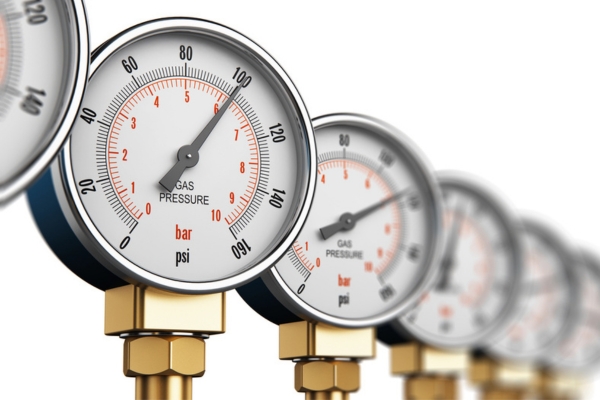
Your home’s propane tank could be running empty when propane appliances suddenly stop operating, the fuel gauge approaches zero, or heating and hot water become unavailable without warning. Spotting these signs early helps you determine whether your propane supply is depleted or another system issue needs attention.
This article explains how to tell if home propane tank is empty, identifies common warning signs, and outlines practical methods for monitoring fuel levels to prevent unexpected propane shortages.
Essential Facts About Residential Propane Tanks
Propane serves as a reliable household fuel for various applications, including home heating, cooking, and water heating. Understanding how residential propane tanks store and supply fuel helps homeowners maintain safe operation, manage consumption, and ensure consistent performance.
Common Propane Tank Sizes for Homes
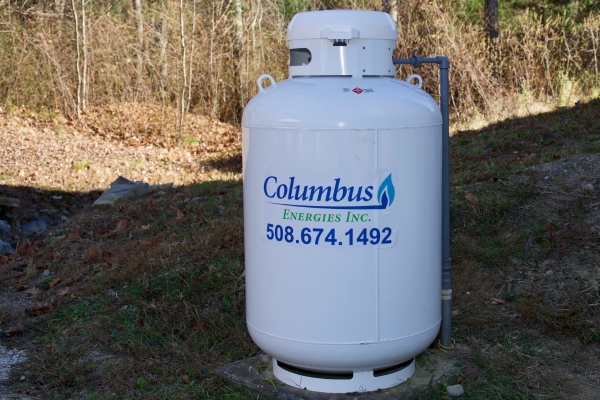
Home propane storage tanks come in various capacities, from portable cylinders to larger stationary units. Each size accommodates specific household fuel requirements and applications:
- 20-pound Tanks: Commonly supply propane for outdoor grills, patio heaters, and other portable equipment.
- 100-pound Tanks: Typically serve individual household appliances or smaller heating applications requiring a dedicated fuel supply.
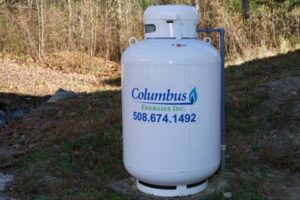
- 500-gallon and 1,000-gallon Tanks: Designed for properties with substantial propane demands, including central heating, cooking appliances, and water heaters.
Residential propane systems rely on several essential components to deliver fuel safely and efficiently. Among these are the pressure regulator and pressure relief valve. The regulator controls incoming propane pressure, reducing it to levels appropriate for connected household equipment.
Meanwhile, the pressure relief valve protects the tank against excessive internal pressure by releasing propane when necessary. Temperature fluctuations and other conditions can increase pressure. Knowing how these components function helps homeowners better understand propane storage and system safety.
Proper tank care is equally important for preventing potential hazards. Keep surrounding areas free from combustible materials, vegetation, and accumulated debris. Regularly check for visible damage or leaks, especially after storms or extreme weather.
Professional assistance is essential when installing, servicing, or repairing propane equipment. Trained technicians use appropriate safety practices and comply with applicable regulations to ensure residential propane systems remain properly maintained and operate reliably.
How to Visually Inspect Your Propane Tank in Your MA and RI Home
Routine visual inspections help homeowners monitor propane levels, identify potential problems, and maintain safe tank operation.
Checking Your Propane Tank Gauge
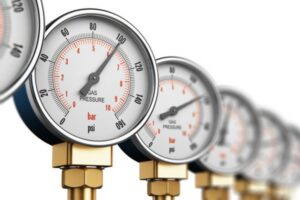
Most propane tank gauges display the remaining fuel as a percentage. For example, a reading of 35 indicates approximately 35% of the tank’s capacity remains. Checking the gauge regularly helps prevent unexpected fuel shortages. If readings appear inaccurate or the gauge becomes difficult to read, contact a propane professional for inspection or replacement.
Estimating Propane Levels by Weight
For portable propane cylinders, weighing the tank can help estimate its remaining fuel. Subtract the tare weight, which represents the empty cylinder’s weight, from its current weight to calculate the propane remaining. This approach is impractical for larger residential tanks, where gauges or professional assessments provide more suitable measurements.
Identifying Visible Tank Warning Signs
Inspect your propane tank for unusual frost formation, excessive condensation, or visible damage. Frost and moisture patterns may reflect propane consumption and temperature conditions rather than an empty tank or leak. Regular inspections help identify potential concerns early, supporting safe and reliable propane system operation.
Modern Propane Tank Monitoring Solutions in Massachusetts and Rhode Island

Advanced monitoring technology allows homeowners to track propane levels accurately and conveniently, reducing the risk of unexpected fuel shortages.
Ultrasonic Propane Level Sensors
Ultrasonic sensors use sound waves to measure propane levels without manual inspection. These devices transmit pulses and analyze returning echoes to estimate the amount of fuel remaining in the tank.
Mechanical Float Gauge Indicators
Float gauges use an internal floating mechanism that rises or falls with the liquid propane level. As fuel is consumed, the float moves downward, and a connected mechanism displays the approximate remaining supply on an external dial. These gauges offer a simple, convenient way to monitor propane levels, particularly in larger residential storage tanks.
Smart Propane Tank Monitoring Systems
Remote monitoring systems let homeowners and propane suppliers check fuel levels through mobile applications or online dashboards. These tools provide updated information about propane consumption and remaining supply. When integrated with automatic delivery services, remote monitoring helps suppliers anticipate fuel needs and schedule timely refills, reducing the risk of runouts while improving convenience and service reliability.
Calculating Household Propane Consumption and Fuel Supply
Knowing your household’s daily propane consumption helps you schedule deliveries and prevent unexpected shortages. Follow these steps to estimate fuel usage and anticipate refill needs:
- Check Appliance BTU Ratings: Find each propane appliance’s British Thermal Unit (BTU) rating on its label or in the manufacturer’s manual. This indicates its hourly energy input.
- Monitor Daily Runtime: Track the approximate number of hours each propane-powered appliance operates daily.
- Estimate Daily Fuel Consumption: Multiply each appliance’s BTU rating by its operating hours, then divide by approximately 91,500 BTUs per gallon to estimate daily propane usage.
- Review Seasonal Consumption Trends: Monitor how quickly tank levels decrease throughout the year. Comparing usage patterns across seasons helps forecast fuel requirements and schedule deliveries before supplies run low.
Steps to Take When Your Propane Tank Runs Empty in Massachusetts or Rhode Island
If your propane tank appears empty, turn off propane-powered appliances and check the tank gauge to confirm the remaining fuel level. Contact your propane supplier to schedule delivery, and provide your account information and current gauge reading to streamline the process. Follow your supplier’s instructions regarding the tank’s shutoff valve.
If delivery is delayed, keep propane appliances turned off until service is restored. Never attempt to restart equipment or relight pilots yourself after a complete runout. Your propane provider should perform the necessary safety checks before restoring service. If you smell gas, avoid flames and electrical switches, leave the area immediately, and contact your supplier or emergency services from a safe location.
Frequently Asked Questions: How to Tell if Home Propane Tank is Empty

What If My Propane Tank Gauge Stops Working?
A gauge that remains at the same reading may have a faulty internal mechanism. Have a qualified propane technician examine the gauge, verify the remaining fuel supply, and recommend repairs or replacement if necessary.
Is It Safe to Repaint a Residential Propane Tank?
Yes, propane tanks may be repainted using approved light-colored, reflective coatings that minimize heat absorption. Before repainting, consult your propane supplier about acceptable colors, suitable paint products, and applicable safety regulations to ensure proper tank protection.
When Should a Propane Tank Regulator Be Replaced?
Propane regulators require regular inspections and replacement based on manufacturer guidelines or signs of damage, deterioration, or malfunction. A qualified technician can assess their condition and recommend replacement when needed.
Is Propane an Environmentally Friendly Household Fuel?
Propane burns cleaner than several conventional fossil fuels and produces fewer particulate emissions. Using propane for home heating, cooking, and hot water can help reduce your household’s environmental impact and carbon footprint.
What Can I Expect During a Propane Delivery?
A standard propane delivery primarily involves replenishing your tank’s fuel supply. The delivery technician may also conduct a brief visual inspection to identify apparent safety issues. Technicians generally perform more thorough evaluations of regulators, hoses, and connections during scheduled maintenance appointments rather than routine fuel deliveries.
Conclusion
Understanding when your residential propane tank is running empty helps prevent unexpected fuel shortages that disrupt heating, cooking, hot water, and other essential household appliances. Regularly monitoring your tank gauge and recognizing early warning signs of low fuel levels lets you schedule timely deliveries and maintain an uninterrupted propane supply.
Partnering with a trusted supplier like Columbus Energies provides greater convenience through reliable propane deliveries, automatic refill services, and knowledgeable customer support to keep your Massachusetts or Rhode Island home supplied with fuel.
Contact Columbus Energies for Reliable Propane Delivery in Massachusetts and Rhode Island
Columbus Energies provides dependable propane delivery to homes and businesses throughout Massachusetts and Rhode Island. We deliver high-quality fuel promptly and efficiently, helping customers stay warm and comfortable. Our competitive pricing, transparent service, and customer-focused approach make managing your propane needs simple and convenient.
Beyond propane delivery, Columbus Energies offers comprehensive HVAC services, including professional installations, routine maintenance, and emergency repairs. Our experienced team provides reliable solutions to keep your heating and cooling systems operating efficiently year-round.
With a strong commitment to dependable service and customer satisfaction, Columbus Energies is a trusted partner for your home comfort needs. Contact us today to schedule propane delivery or professional HVAC service and enjoy consistent comfort throughout the heating season.
Contact us now by calling (508) 674-1492 to speak to one of our home comfort specialists!

Related Articles: