Why Clean Boiler Water Matters For System Efficiency
Water quality plays a critical role in boiler efficiency, affecting how effectively the system transfers heat, consumes fuel, and maintains reliable performance. Minerals, dissolved gases, and other impurities can cause scale buildup, corrosion, and internal deposits that reduce efficiency, increase heating costs, and shorten equipment lifespan.
This article explores how system water quality affects boiler efficiency, common problems caused by water contaminants, effective water treatment solutions, and the benefits of maintaining clean boiler water for long-term performance.
Understanding How Boiler Systems Work
Boilers heat water to provide warmth throughout a home or building. In hydronic heating systems, heated water circulates through radiators, baseboard heaters, or radiant floor systems before returning to the boiler to be reheated. Steam boilers operate differently, converting water into steam to distribute heat.
Several key components work together to support efficient boiler operation:
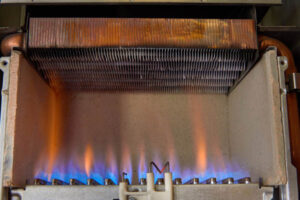
- Burner and Combustion Chamber: The burner ignites the fuel, generating heat within the combustion chamber.
- Heat Exchanger: It transfers heat from combustion to the system water without allowing direct contact with combustion gases.
- Circulation System: Pumps move heated water through hydronic heating systems to distribute warmth.
- Controls and Safety Devices: Regulate temperature and pressure while helping prevent unsafe operating conditions.
- Flue and Venting System: Safely directs combustion gases outside the building.
Proper operation of these components, combined with good system water quality, helps maintain efficient heat transfer, consistent heating performance, and reliable boiler operation.
How Water Quality Affects Boiler Efficiency
Impurities in boiler water can reduce heat transfer, promote corrosion, and affect system performance. Common contaminants include:
- Minerals: Calcium and magnesium in hard water can cause scale buildup.
- Dissolved Gases: Oxygen and carbon dioxide can contribute to corrosion.
- Organic Matter: Organic contaminants can promote deposits and interfere with water treatment.
- Suspended Solids: Dirt, rust, and debris can accumulate and restrict water circulation.
How Scale Buildup Affects Boiler Performance
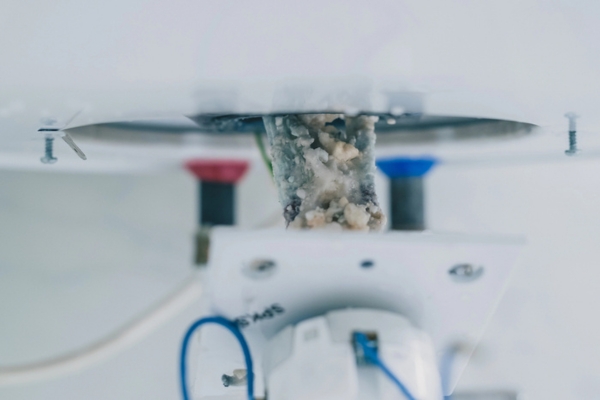
Scale develops inside a boiler when minerals dissolved in water, particularly calcium and magnesium, settle and form hardened deposits. This mineral layer interferes with efficient heat transfer, requiring the heating system to burn additional fuel to maintain consistent temperatures and comfort.
As deposits accumulate, they can obstruct water circulation, create excessive heat buildup, and deteriorate boiler tubes and internal components. Without proper treatment, these problems can cause expensive repairs or premature equipment failure.
Boiler Corrosion and Its Impact on System Performance
Boiler corrosion develops when factors such as dissolved oxygen and improper water pH cause metal surfaces to deteriorate. Over time, this deterioration can compromise critical boiler components, creating potential safety hazards and affecting overall system performance. Corrosion-related damage can also increase energy consumption and reduce heating efficiency, making timely intervention essential to prevent further complications and maintain reliable boiler operation.
Foaming, Priming, and Carryover
Excessive impurities in boiler water can sometimes trigger operating problems that interfere with efficient steam production. Although these conditions occur less commonly, they can compromise steam quality and reduce overall boiler performance.
Foaming, priming, and carryover may also allow water and contaminants to enter downstream equipment, potentially causing damage and increasing maintenance requirements. These complications can disrupt normal operations, create additional repair expenses, and affect system reliability.
Boiler Water Treatment Options in Massachusetts and Rhode Island
Proper water treatment helps prevent scale buildup, corrosion, and other problems that reduce boiler efficiency. The appropriate treatment methods depend on water quality, boiler design, and manufacturer requirements.
Pre-Treatment Options
Pre-treatment removes contaminants before water enters the boiler system. Common methods include:
- Filtration Systems: These systems remove dirt, sediment, and suspended particles that can accumulate inside the boiler.
- Water Softeners: These systems reduce calcium and magnesium levels to help prevent scale formation.
- Deaeration and Oxygen Removal: These methods reduce dissolved oxygen that can cause corrosion in boiler components.
- pH and Alkalinity Adjustment: These treatments maintain appropriate water chemistry to minimize corrosion and mineral deposits.
Internal Water Treatment Methods
Internal treatments help protect boiler components from contaminants and maintain efficient operation. Depending on the system, these may include:
- Scale Inhibitors: These chemicals help prevent mineral deposits from forming on heat transfer surfaces.
- Corrosion Inhibitors: These treatments protect metal components against rust and chemical deterioration.
- Antifoaming Agents: These chemicals control excessive foaming that can affect steam quality in steam boilers.
- Dispersants: These agents keep suspended particles from settling and forming deposits.
Qualified professionals should select and apply water treatment chemicals according to the boiler manufacturer’s specifications.
Regular Water Quality Monitoring
Routine water testing helps detect mineral buildup, pH imbalances, and corrosion risks before they affect boiler performance. Professional technicians can assess water conditions, recommend appropriate treatments, and adjust maintenance practices as needed.
Larger commercial and industrial systems may use automated monitoring equipment to track water chemistry and maintain proper treatment levels. Regular monitoring improves efficiency, prevents equipment damage, and extends boiler lifespan.
Advantages of Maintaining Proper Boiler Water Quality in Massachusetts and Rhode Island
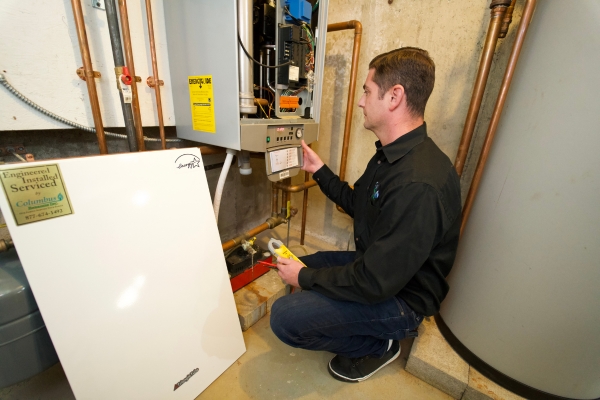
Maintaining proper boiler water quality offers important advantages that improve heating performance, operational reliability, and system safety.
Improved Heating Performance and Lower Energy Costs
Clean, properly treated water helps boilers operate efficiently, reducing fuel consumption and overall heating expenses. By minimizing mineral deposits and corrosion, effective water treatment supports optimal heat transfer, allowing the boiler to maintain consistent heating performance while using less energy.
Longer Boiler and HVAC Equipment Service Life
Proper water quality helps prevent harmful mineral deposits and corrosion that can deteriorate internal boiler components. By limiting these problems, homeowners can avoid frequent repairs and premature replacements while extending the heating system’s overall lifespan.
Lower Boiler Maintenance Expenses and Fewer Interruptions
Maintaining clean boiler water minimizes problems that require professional attention, reducing service frequency and unexpected equipment failures. This helps control maintenance expenses while preventing inconvenient heating interruptions that can disrupt comfort and daily operations.
Improved Boiler Safety and Reliability
Effective water treatment helps maintain safer boiler operation by preventing corrosion, scale buildup, and other conditions that can contribute to leaks or dangerous pressure-related failures. Maintaining proper water quality reduces potential hazards, creating a safer heating environment for residential properties and industrial facilities.
Boiler Efficiency: FAQs
What Are the Warning Signs of Poor Boiler Water Quality?
Common signs include unusual boiler noises, inconsistent heating, increased energy bills, and frequent system problems. These symptoms may indicate mineral buildup, corrosion, or restricted water circulation. A professional technician can assess the system and check for water quality issues.
Can Regular Tap Water Be Used in a Boiler System?
Tap water may be suitable for some boiler systems, depending on its mineral content and the manufacturer’s requirements. Hard water contains calcium and magnesium, which can contribute to scale buildup. Water testing can help determine whether treatment is necessary before filling the system.
Does Adding Fresh Water to a Boiler Affect Its Efficiency?
Frequently adding fresh water can introduce oxygen and minerals that contribute to corrosion and scale formation. Over time, these contaminants may reduce heat transfer efficiency and damage internal components. Repeated refilling may also indicate a leak that requires professional attention.
Can Poor Water Quality Cause a Boiler to Leak?
Yes. Poor water quality can accelerate corrosion, weakening pipes, fittings, and internal boiler components. Over time, this deterioration may cause leaks and pressure loss. Proper water treatment and timely repairs help reduce these risks.
Does Boiler Water Need to Be Drained and Replaced Regularly?
Most closed-loop hydronic heating systems do not require routine water replacement. Unnecessary draining can introduce fresh oxygen and minerals, increasing the risk of corrosion and scale buildup. Replace water only when needed for maintenance, repairs, or specific treatment requirements.
Conclusion
Proper boiler water quality is essential to maintain heating efficiency, extend equipment life, and support safe operation. Keeping water conditions within recommended limits helps prevent scale buildup, corrosion, and other problems that compromise system performance. Routine maintenance, consistent water-quality monitoring, and appropriate treatment methods help protect boiler components and maintain reliable operation.
By implementing these preventive measures, homeowners and facility managers can reduce unexpected breakdowns, control repair expenses, and improve overall boiler performance while maintaining long-term efficiency and dependable heating.
Contact Columbus Energies for Reliable HVAC Services in Massachusetts and Rhode Island
Columbus Energies provides professional heating and cooling services throughout Massachusetts and Rhode Island. Our certified HVAC technicians specialize in system tune-ups, repairs, installations, and replacements, helping homeowners maintain dependable comfort and energy efficiency. With extensive training and hands-on experience, our team delivers quality workmanship and solutions tailored to your heating and cooling needs.
We offer competitive HVAC service rates while focusing on improving indoor comfort, enhancing system efficiency, and reducing energy expenses. Whether you need routine tune-ups, professional repairs, or a complete system replacement, our technicians can recommend practical solutions that fit your home and budget. We stand behind our work with a satisfaction guarantee.
Contact Columbus Energies today to schedule an HVAC service appointment or request an in-home consultation. Call now!
Contact us now by calling (508) 674-1492 to speak to one of our home comfort specialists! Click the link to view our HVAC service area.
Related Articles: